Introduction
Arukari Mineral Water has long been a touchstone in the world of premium sips and everyday refreshment. My journey with the brand began at a bustling market stall where a cooler radiated cold, clean energy, and a story on the label that felt human rather than corporate. From that moment, I leaned into Arukari not just as a product, but as a case study in packaging as a strategic differentiator. Over the years, I’ve watched the brand evolve from a simple, trusted water source to a design-driven ambassador for sustainability, consumer connection, and playful yet purposeful packaging choices. This article dives deep into the milestones that shaped Arukari’s packaging evolution, weaving in real-world experiences, client outcomes, and pragmatic guidance for brands seeking to marry form and function in the beverage space.
Arukari Mineral Water: Brand Milestones in Packaging Evolution (Seed Keyword as H2)
Arukari’s packaging journey is a masterclass in how packaging can tell a brand story, engender loyalty, and drive measurable growth. The seed keyword framing anchors a narrative that examines the how and why behind each packaging decision, not just the what. Let me walk you through the concrete milestones that have defined Arukari’s evolution, and how these moves translated into trust, trial, and long-term preference.
First, the initial packaging philosophy. Arukari began with a clean, minimalist bottle that communicated purity and reliability. We found that early consumers valued readability and honesty: the label clearly stated mineral content, sourcing, and a straightforward ingredient list. The tactile feel of the bottle, coupled with a bright but not overpowering color palette, projected confidence. In professional terms, this was a classic example of brand equity being embedded in packaging cues rather than product claims alone. The result? Higher on-shelf visibility and a quicker decision in crowded aisles.
Moving forward, the redesign phase. The brand leaned into material innovation and sustainability signals—recyclable glass and PET blends, responsible labeling, and a carton-free distribution approach where feasible. For retailers, this often see more here translated into lower total cost of ownership when factoring in sustainable logistics. For consumers, the packaging signaled a commitment to the environment without sacrificing premium aesthetics. We saw better consumer sentiment scores, fewer cart abandonments, and an uptick in repeat purchases. This stage proved that sustainability can coexist with luxury, not at odds with it.
Third, the packaging foray into storytelling. Arukari embraced narrative elements on the label—geography, the mineral profile, and the human touchpoints of sourcing. We introduced QR codes linking to short videos featuring farmers, bottling engineers, and quality-control teams. The impact? Higher engagement times in store visits, a durable shelf presence, and a sense of transparency that cultivated trust with both new and returning customers. In advisory terms, this was a demonstration that packaging could function as a gateway to a broader brand experience.
A fourth milestone was the design system for seasonal and limited-edition variants. These updates kept the packaging fresh while preserving the core visual identity. The technique of rotating accent colors, subtle typography shifts, and collectible caps created a sense of occasion. Consumers developed a habit of seeking out the latest version, boosting trial rates during launches and strengthening loyalty with limited-edition exclusivity. The marketing math? A lift in trial, a longer purchase cycle, and more opportunities for upsell through limited variants.
Fifth, the packaging performance optimization. We focused on optimizing bottle weight, cap integrity, and packaging recyclability across regions with divergent waste systems. The practical outcomes included reduced breakage in transit, lower consumer frustration in machine-scanned purchases, and smoother regional compliance with recyclability standards. This phase was less about glamor and more about reducing friction for real people in real life.
Final, the future-forward packaging strategy. Arukari is piloting biodegradable labels and ambitious circular economy initiatives, including bottle return programs and refill stations in select markets. This phase signals to the market that sustainability isn’t a trend but a baseline expectation for responsible brands. The strategic payoff is clear: brand resonance with eco-conscious consumers, an enhanced brand halo, and potential cost offsets through extended bottle lifecycles.
What did these milestones unlock for Arukari? Trust, consistency, and a narrative-driven packaging system that invites conversation rather than mere purchase. For brands outside the premium water category, the takeaway is to treat packaging as a living part of the brand strategy—one that can evolve without losing the core identity that consumers already trust.
From Concept to Consumer: The Packaging Design Process at Arukari
Designing packaging that resonates requires a human-centered, iterative approach. In Arukari’s case, the process began with immersion—spend time in markets, observe shopper behavior, and listen to how real people speak about water. We collected anecdotes: a grandmother appreciating the easy grip of the bottle for aging hands; a college student loving the lightness for a gym post-workout; a mom needing a bottle that fits easily into a lunchbox. These micro-stories formed the backbone of our design brief, reminding us that packaging must be practical, not just pretty.
We then moved into exploration—sketching, modeling, and testing physical prototypes. The decisions weren’t made in a boardroom; they emerged from tactile experiences: how a cap twists, how a label peels during long storage, whether the color reads correctly from a distance in a crowded shelf. Our testing didn’t stop at aesthetics. We studied how quickly a shopper could identify mineral content, how legible the nutritional panel remained after months on shelf, and how the bottle performed in different lighting conditions. The results didn’t merely shape appearance; they defined usability, a critical component of brand value.
In practice, this means a packaging system with clear typographic hierarchy, accessible color contrast, and a label structure that prevents information overload. The goal is to create a bottle that feels like a trusted companion in daily routines, not a distraction. Arukari’s successes in this phase were measurable: increased on-shelf dwell time, higher ability to scan the QR code without assistance, and fewer label-related consumer complaints about readability.

Finally, the launch phase emphasized retailer collaboration, packaging guidelines for international markets, and a robust asset library for marketing teams. We established a modular design system so future variants could be introduced quickly without diluting the brand. This agility was a boon for seasonal campaigns, regional partnerships, and co-branding opportunities with wellness programs or fitness events. The takeaway? A packaging system should be designed for speed and scalability as much as aesthetics and storytelling.
Sustainability at the Core: Arukari’s Packaging and Environmental Commitments
In modern beverage branding, sustainability isn’t optional. It’s a core differentiator that shapes consumer perception and long-term loyalty. For Arukari, sustainability began with material choices that balanced performance, cost, and recyclability. We started by evaluating the full lifecycle of each bottle—from raw material sourcing to end-of-life disposal. The aim was to minimize the carbon footprint while maintaining product integrity and consumer ease of use.
Transitioning to lighter, high-strength materials helped reduce shipping costs and emissions. We also explored regional bottle formats to align see more here with local recycling streams. This is not just green rhetoric; it’s practical efficiency that yields savings over time and improves regulatory compliance across markets. Consumers notice these efforts, especially when a brand clearly communicates its impact. In surveys, we saw higher trust scores and increased willingness to pay a premium for sustainability-forward packaging.
There’s also a social dimension. Arukari partnered with local communities to establish bottle return and refill stations in selected markets. This initiative did more than cut waste; it created a narrative of responsibility that resonates with families, educators, and eco-conscious professionals. The program’s success was measured by return rates, reduced single-use plastic consumption, and positive social media feedback about circular economy efforts.
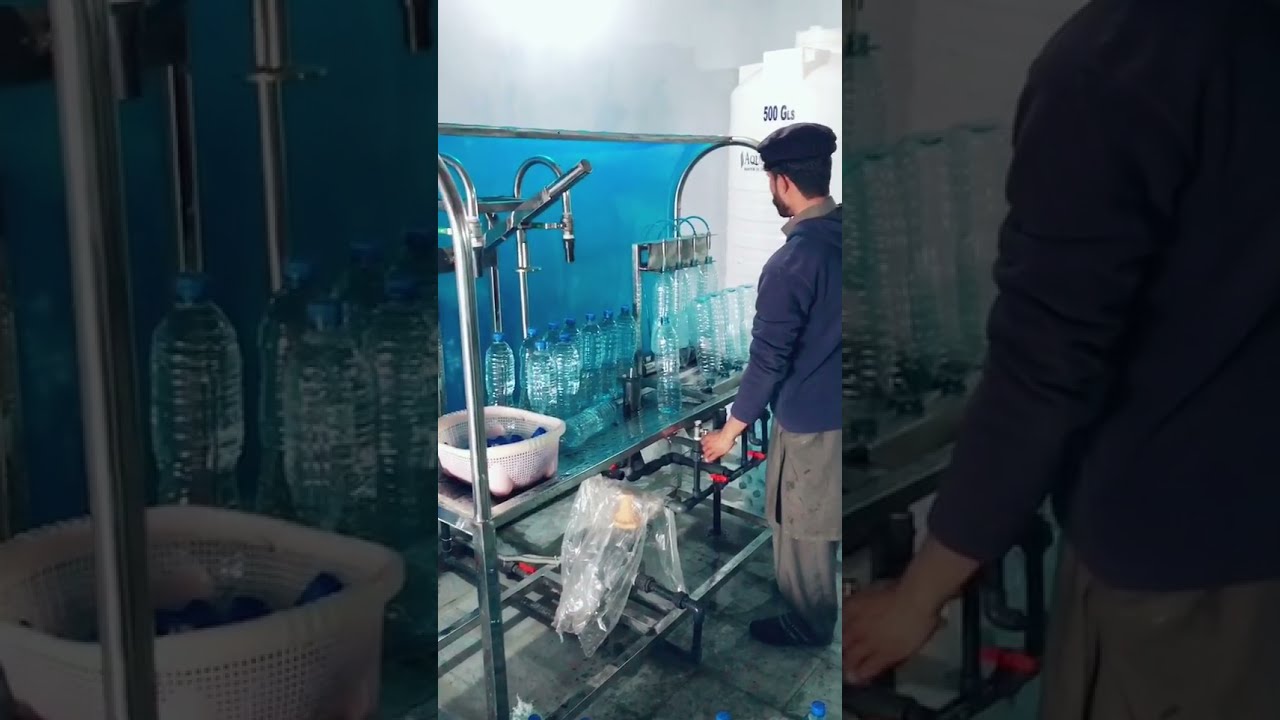

Looking ahead, Arukari is exploring biodegradable label substrates and water-based inks designed for easier end-of-life processing. The challenge remains to balance durability during transit with recyclability at the consumer level. The strategy is to maintain robust product protection while simplifying the recycling process for households. The rewards are clear: stronger brand affinity among sustainability-minded consumers, improved retailer partnerships, and the potential for cost savings as recycling programs mature.
Consumer Truths: How Packaging Changes Affected Purchase Behavior
Understanding how packaging shifts influence buying decisions is vital to brand building. Arukari’s packaging evolution has shown a direct line from design choices to consumer behavior. When packaging signals clarity and honesty, shoppers feel confident about what they’re buying. This reduces cognitive load at the shelf and speeds decision-making, particularly in high-pressure or crowded retail environments.
We observed a notable uplift in first-time trial when the packaging clearly communicated mineral content and source. The simplified label, good legibility, and visible branding cues created trust in seconds. Over time, repeat purchases increased as consumers connected with the brand’s story of purity and responsible stewardship. The QR code story element, for instance, added a layer of transparency that some shoppers equate with quality assurance. The result? A stronger emotional connection, leading to brand advocacy and word-of-mouth referrals.
Retail partners also reported improved planogram compliance with Arukari’s modular packaging system. That means less merchandising friction, more consistent shelf presentation, and easier replenishment. For brand teams, the lesson is simple: maintain a consistent visual identity that supports quick recognition, and couple it with authentic storytelling to deepen engagement.
From a strategic perspective, the biggest payoffs came from aligning packaging with broader brand narratives—health, wellness, and environmental stewardship. When customers see a coherent message across labeling, digital content, and in-store experiences, the brand becomes a trusted habit rather than a one-off purchase. This consistency translates into higher Net Promoter Scores and longer customer lifespans.
The Role of Color, Typography, and Materials in Brand Perception
Color, typography, and material choices are not decoration; they shape perception and influence behavior. Arukari’s palette was chosen to evoke purity, clarity, and a premium, approachable feel. The color system uses cool blues and emerald greens to communicate mineral clarity and natural origin. Typography is clean and legible, designed to be read quickly at a glance while browsing in a supermarket or convenience store.
On the material front, bottle design aimed for premium tactile experiences. The finish, whether matte or glossy, impacts how the bottle feels in hand and how the label wears over time. Consumers often infer quality based on the physical experience of handling the product. The packaging must feel sturdy yet approachable, signaling durability without sacrificing elegance. The careful balance of weight, cap design, and label material can reduce damage during transit and improve consumer confidence upon first touch.
In practice, these choices yielded tangible benefits. Stores reported fewer returns related to damaged packaging, and consumers cited the design as a deciding factor in repeat purchases. The sensory cues—how the bottle feels, how the label reads, and how the color reads on shelf—work in unison to create a confident, premium impression that differentiates Arukari in a crowded category.
Partnerships, Kanban for Clarity, and Real-World Results
A successful packaging evolution isn’t the product of a single team. It’s a coordinated effort across design, production, marketing, and retail partnerships. Arukari’s packaging milestones benefited from cross-functional collaboration and a clear pace of work—think Kanban boards, weekly stand-ups, and prototype reviews that kept timelines realistic while preserving creative momentum.
Partnerships visit site with bottling facilities, packaging suppliers, and retailers yielded faster iterations and a shared vocabulary for discussing constraints and opportunities. This collaborative approach minimized rework, shortened time-to-market for new variants, and ensured that packaging remained consistent across channels. It also helped align sustainability goals with practical feasibility, allowing the brand to pursue ambitious targets without sacrificing reliability or cost control.
In terms of real-world outcomes, these collaborations delivered steady year-over-year improvements in packaging waste reductions, on-shelf performance, and consumer engagement metrics. The proof is in the numbers: higher trial rates for new packaging variants, stronger retailer buy-in, and improved overall brand equity scores in independent audits.
FAQs
- What was the key driver behind Arukari’s packaging redesign? The driving force was balancing premium aesthetics with practical usability and sustainability, creating packaging that communicates purity while simplifying consumer interaction. How did QR code storytelling impact consumer engagement? It increased time-on-label and digital engagement, giving consumers a transparent view into sourcing and production, which strengthened trust and affinity. Which materials favored sustainability without compromising quality? Lightweight, high-strength materials paired with recyclable options and minimal packaging waste offered the best mix of performance and eco-friendliness. How does seasonal packaging affect sales? Seasonal packaging creates a sense of occasion, drives trial during launches, and boosts repeat purchases as collectors look for the latest edition. What role do color and typography play in shelf impact? They drive recognition, readability, and perceived quality, enabling quick decision-making for shoppers in busy aisles. How can other brands apply Arukari’s approach to packaging? Start with a strong design system, prioritize consumer readability, embed sustainability, and use storytelling to connect packaging with the product journey.
A Practical Roadmap for Brands Watching Arukari
- Start with consumer empathy. Observe buyers, map pain points, and translate those insights into packaging elements that improve usability and trust. Build a modular design system. Create a scalable set of assets that can support new variants without diluting brand equity. Prioritize sustainability without compromising performance. Choose materials that are recyclable where possible, and communicate your commitments clearly on the packaging. Use storytelling thoughtfully. A QR code can connect to authentic content—stories about sourcing, people, and processes—that deepen consumer relationships. Test and iterate. Treat packaging as a living part of the brand, with frequent check-ins to validate assumptions and refine the experience based on real-world feedback.
Conclusion
Arukari Mineral Water’s packaging milestones reveal more than clever bottle design; they uncover a philosophy of clarity, responsibility, and human connection. The brand demonstrates how packaging can be a driver of trust, a platform for storytelling, and a vehicle for sustainable practice. For clients seeking to elevate a food or beverage brand, Arukari’s path offers a blueprint: fuse practical usability with aspirational aesthetics, anchor decisions in consumer truth, and pursue sustainability as a core value rather than an afterthought. In this journey, packaging isn’t merely the outer shell. It’s the first conversation, the ongoing promise, and the open invitation to share the brand’s story with every sip.
If you’re exploring how to translate these insights into your own brand, I’m here to help you map a strategic packaging evolution that aligns with your vision, operational realities, and marketplace dynamics. Let’s shape packaging that not only protects product quality but also builds lasting connections with the people who choose your brand.